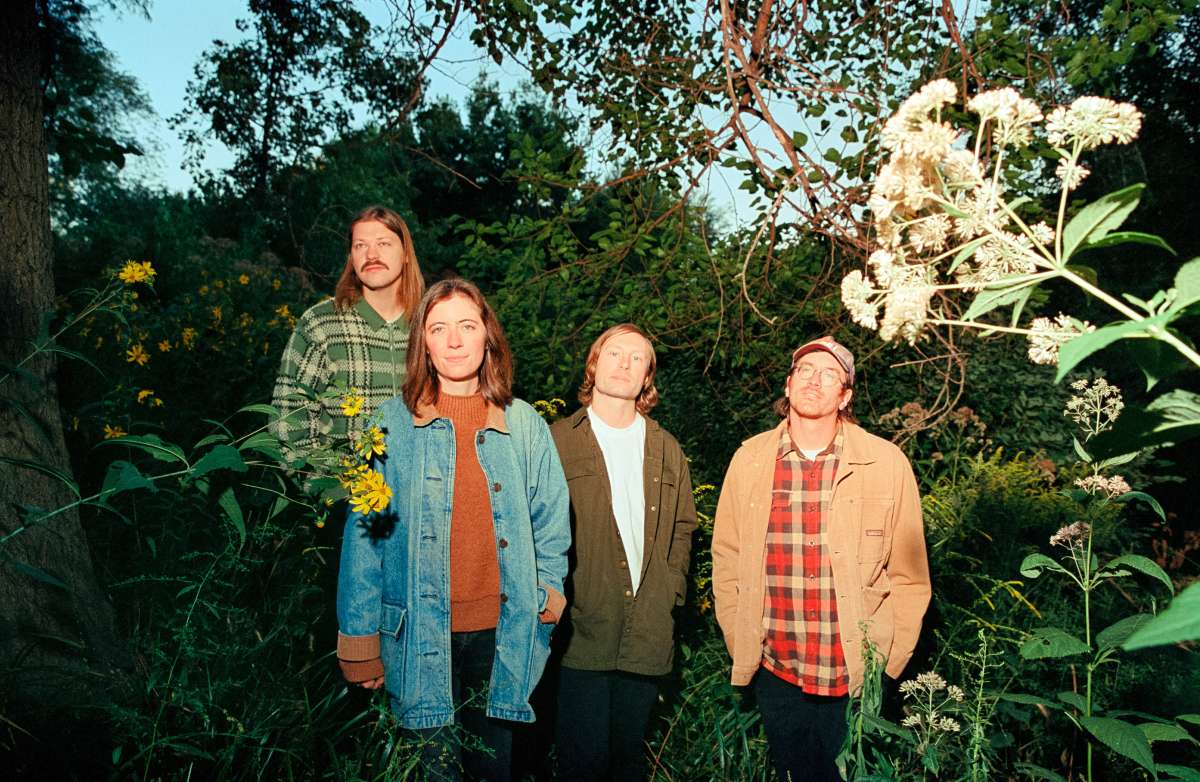
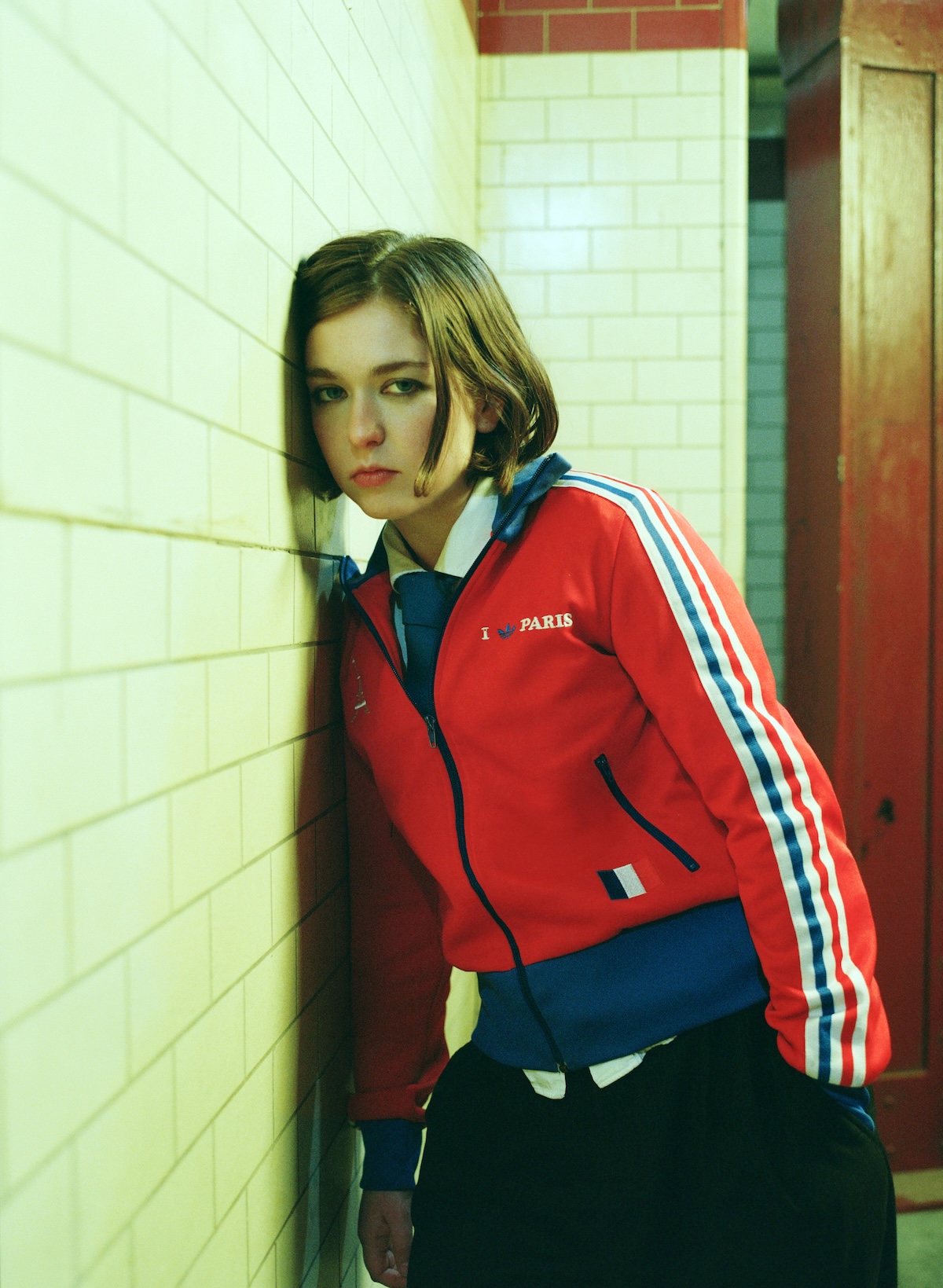
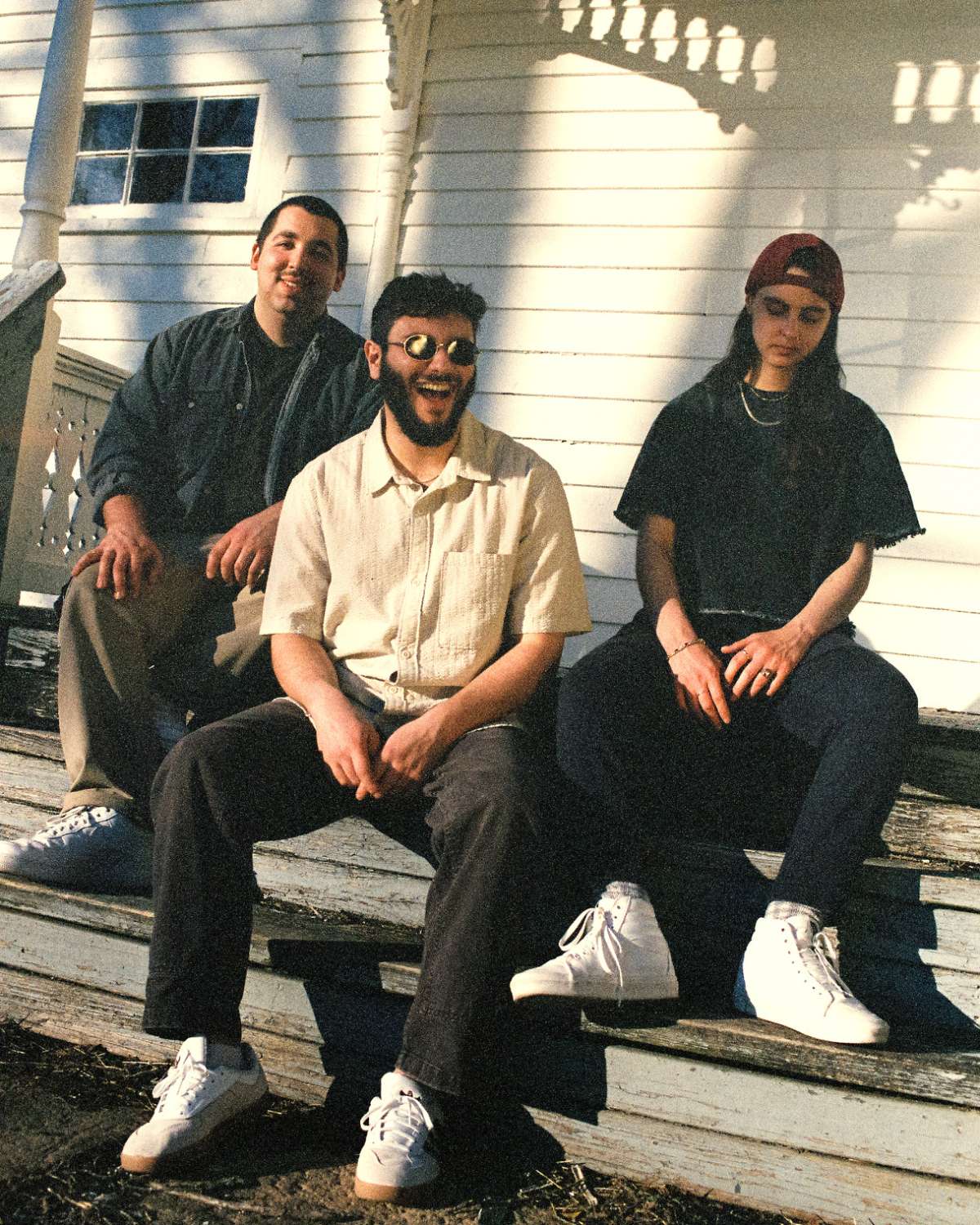
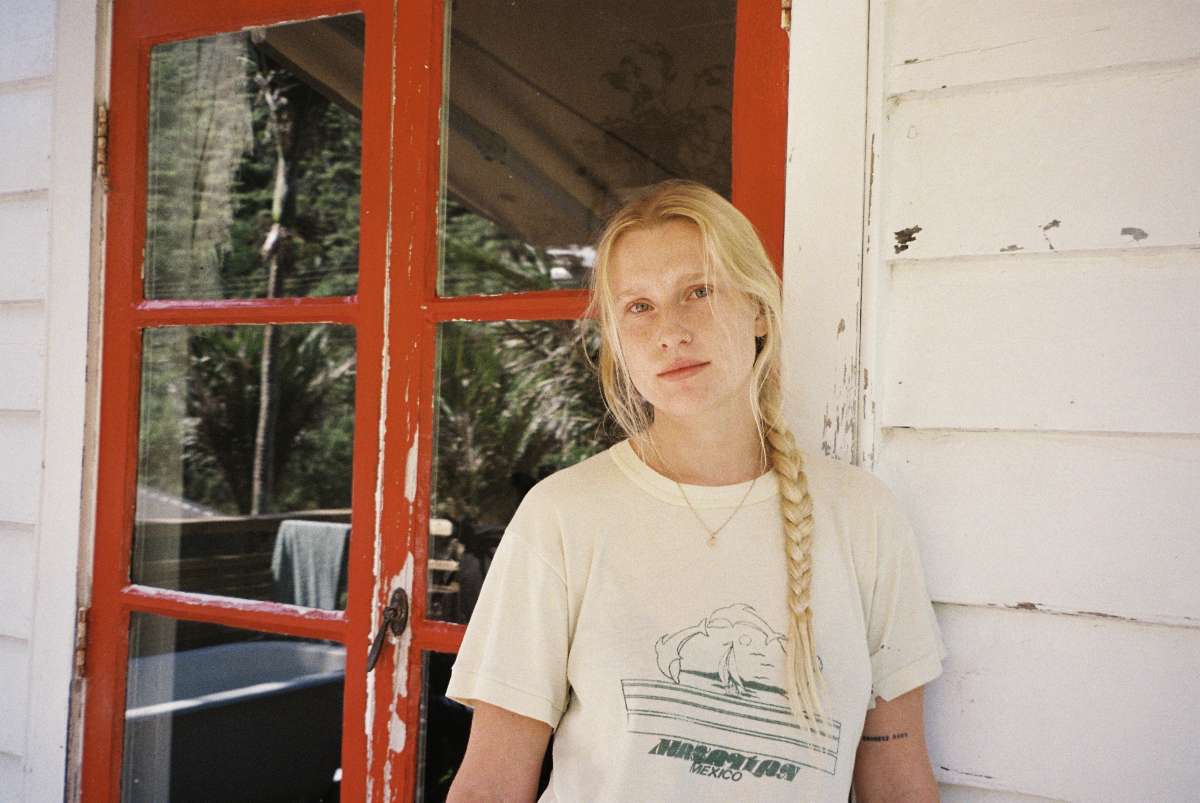
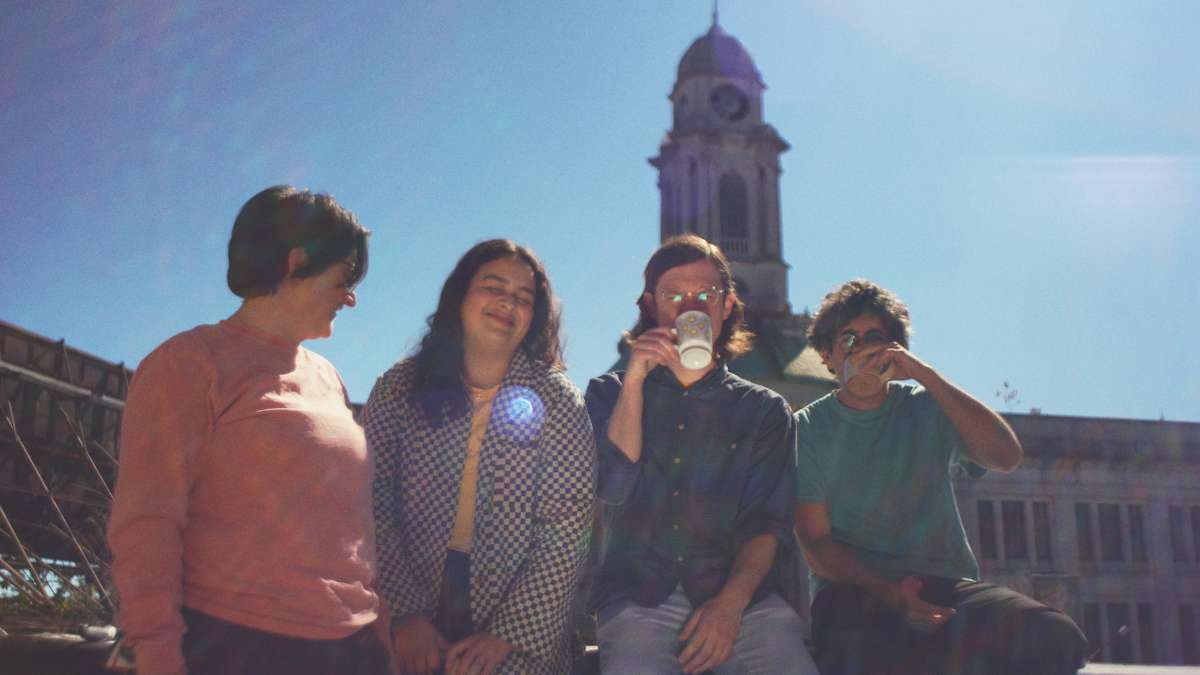
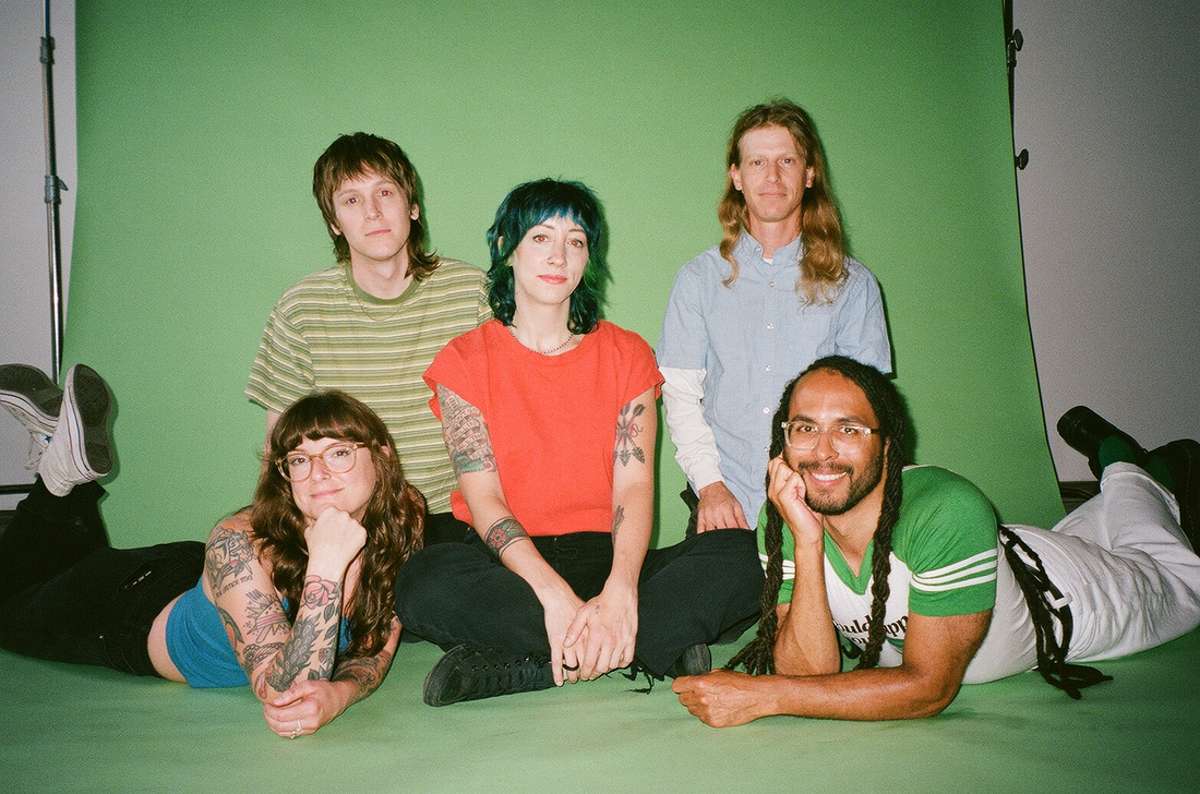
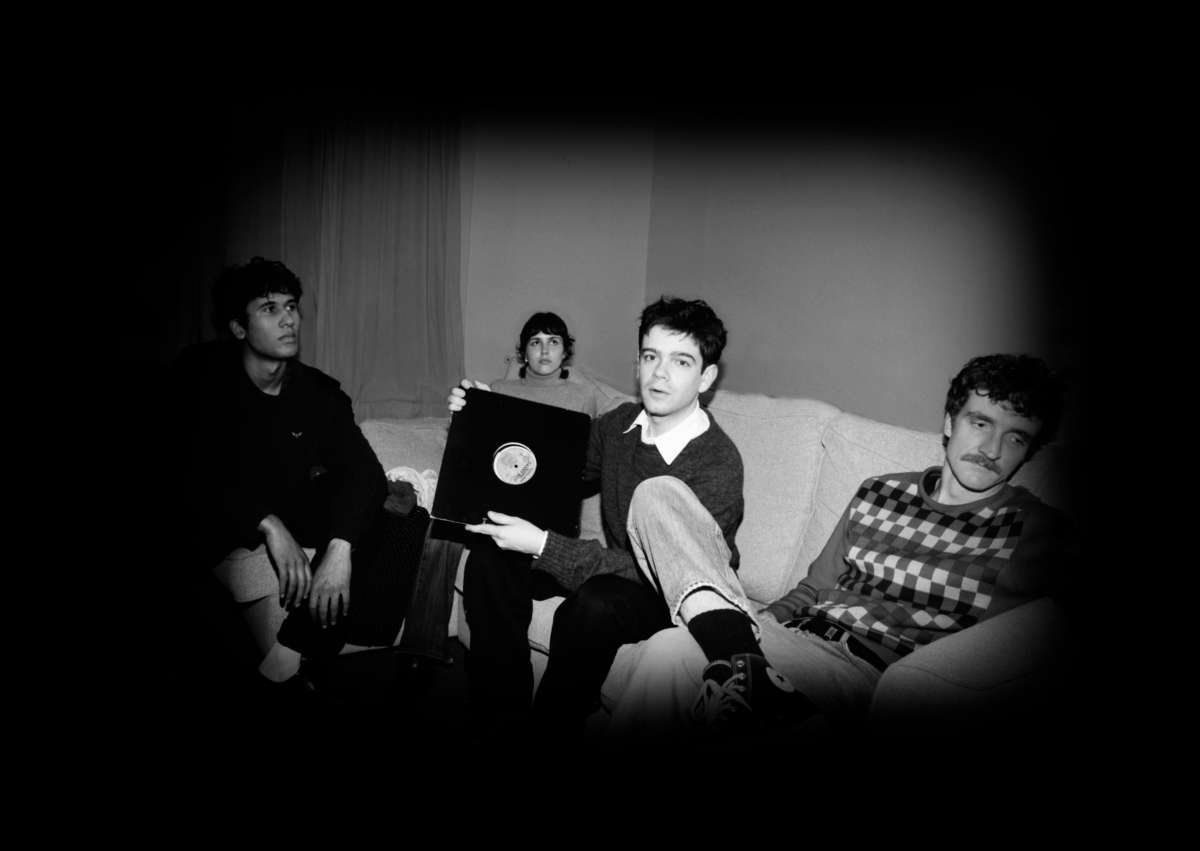
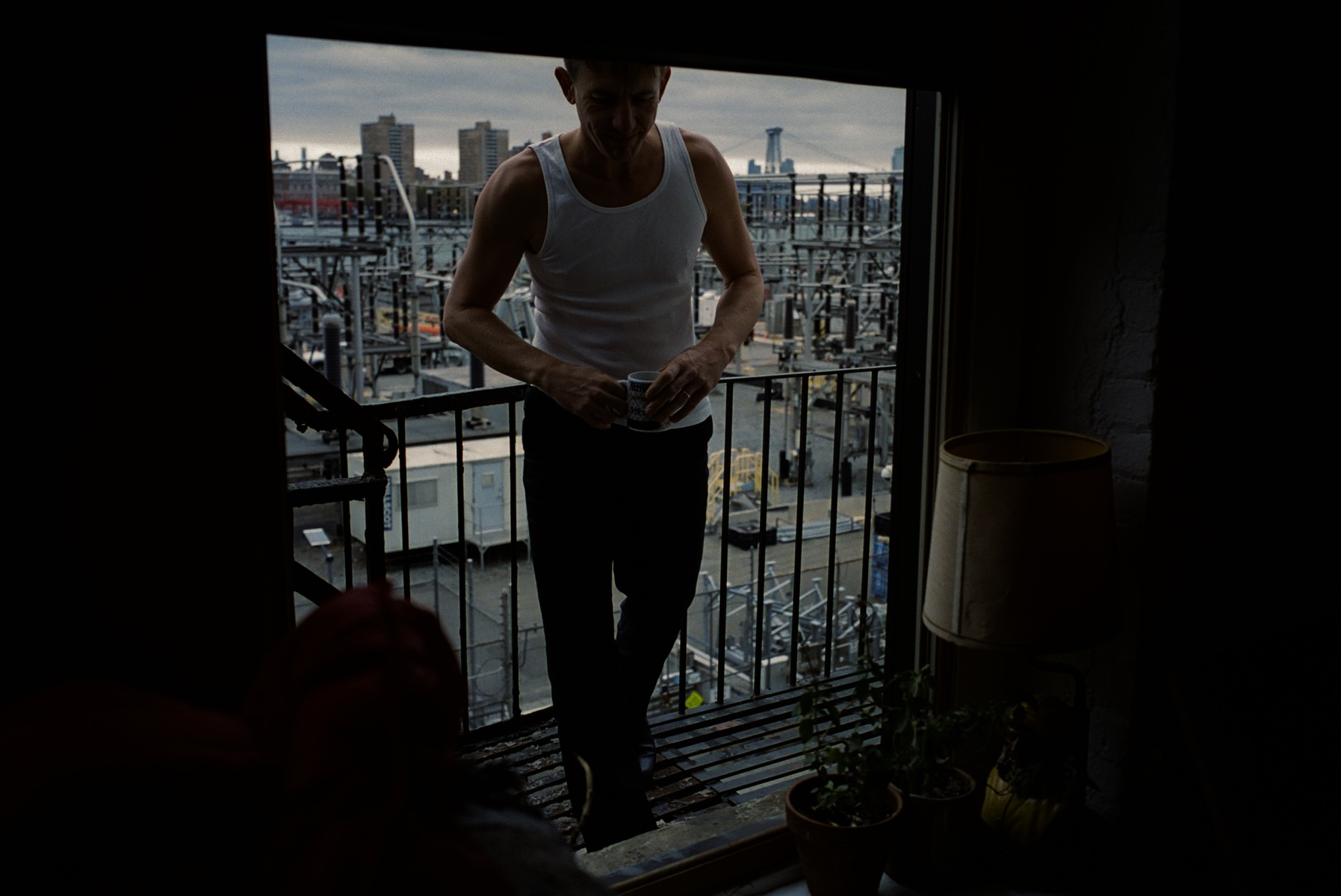
Remember Sports have always sounded like a band in motion—chasing a feeling, chasing each other, sometimes running from themselves. Over the past decade, they’ve built a cult following on the strength of bruising live shows, emotionally honest lyrics, and an ever-evolving sound that refuses to be pinned down. With their newest album, The Refrigerator, out February 13, 2026 via Get Better Records, the band captures the messy, cathartic energy of transformation: it’s a record born from uncertainty, grief, growth, and ultimately, love—for the music, for each other, and for the many past selves colliding into the present.
Singer and guitarist Carmen Perry began writing the songs in the wake of 2021’s Like a Stone—an album they couldn’t tour due to the pandemic. “It felt like everything I had worked for was falling apart,” she says. “For a while, I wasn’t sure what the world was going to look like post-COVID, let alone my life. I was afraid I wouldn’t be able to play music the way I had before.” At 28, she took a full-time job at an elementary school and found unexpected inspiration in the surreal, sincere world of children. “Kids are weird and wonderful and deeply intuitive,” she says. “Helping them through COVID made me think constantly about my own childhood—memories came flooding back, and so did this intense desire to protect and nurture the little kid I used to be. That completely changed how I approached my writing, and honestly, how I approached my life.”
That spirit—raw, reflective, bratty, sincere—permeates The Refrigerator. “It feels like a Saturn return record,” Perry explains. “Messy, hard, crazy-making, but ultimately healing. A convergence of all my past selves into one sad adult who needed direction and reassurance and, most of all, safety.” You can hear that emotional arc in songs like “Roadkill,” the first track written for the album, which poses the big questions (“Who am I? Do I matter?”) that echo throughout the rest of the record. “Cut Fruit” and “Thumb” erupt from a place of unfiltered catharsis, often taking shape through shouted wordless melodies before the lyrics catch up. “Thumb” especially feels like a time capsule from Perry’s younger self—“written from 15-year-old Carmen’s perspective,” she says, “so it’s very bratty and very cathartic.”
Instrumentally, The Refrigerator finds the band at their most collaborative and adventurous yet. It’s the first full-length to feature Julian Fader on drums, whose creative energy has been a driving force in the group since joining the live lineup in 2022. Catherine Dwyer (bass) and Jack Washburn (guitar) continue to anchor the band’s sound with rich textures and sharp dynamics, while pushing into unexpected territory—see the bagpipes and strings on “Ghost,” or the way “Nevermind” melts from shimmer into grit. For the first time since their debut Sunchokes, Remember Sports produced the album themselves, giving them full control to shape a sound that felt intimately their own.
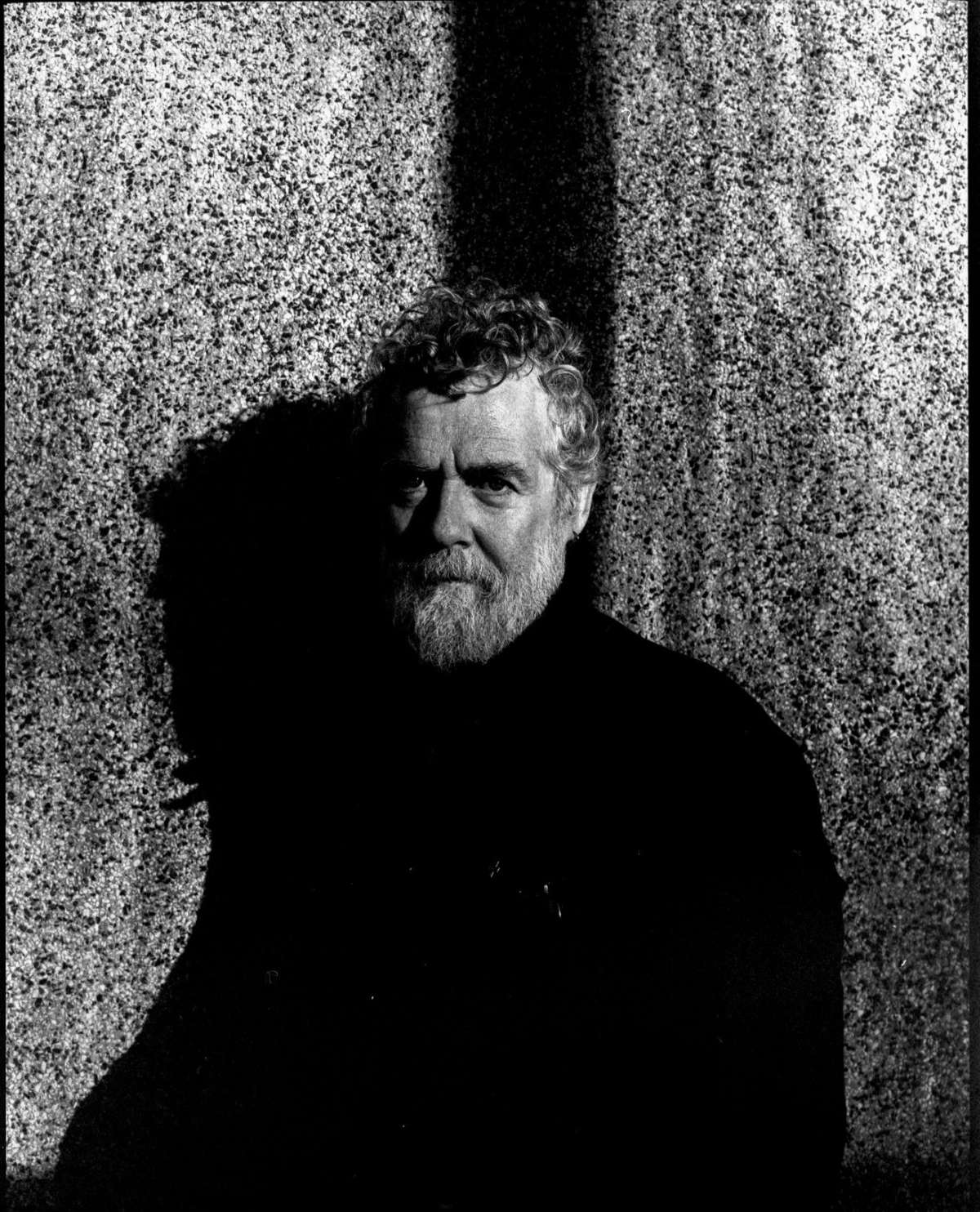
They tracked the record at Chicago’s Electrical Audio just after the passing of Steve Albini, adding an unspoken weight to the sessions. “Everyone there seemed really invested in the space personally and creatively, so it felt like an important place to be with a lot of love,” Perry recalls. “We definitely worked a little more reverently because of that, but also with a lot of joy and compassion about trying new things and following stupid ideas.”
Though the band has often been labeled “emo” or “pop punk,” those descriptors have never fully captured the emotional and sonic range of their music. “We don’t know what genre we are,” they say. “We just want everything to sound like us.” And what they sound like—especially now—is the result of more than a decade of friendship, experimentation, and mutual care. “I think the bond we have together as musicians and as friends is what makes this project really special,” Perry says. We have a lot of love for each other and I hope that comes through on the album.”
This is an album that holds space for grief and joy, nostalgia and hope, confrontation and forgiveness. It’s a love letter to kitchen-table conversations, to the feeling of dancing barefoot after crying your eyes out, to the people who hold you down when you’re falling apart. For Remember Sports, it’s a document of sticking with it—through time, distance, transformation—and coming out stronger, stranger, and more fully themselves on the other side.
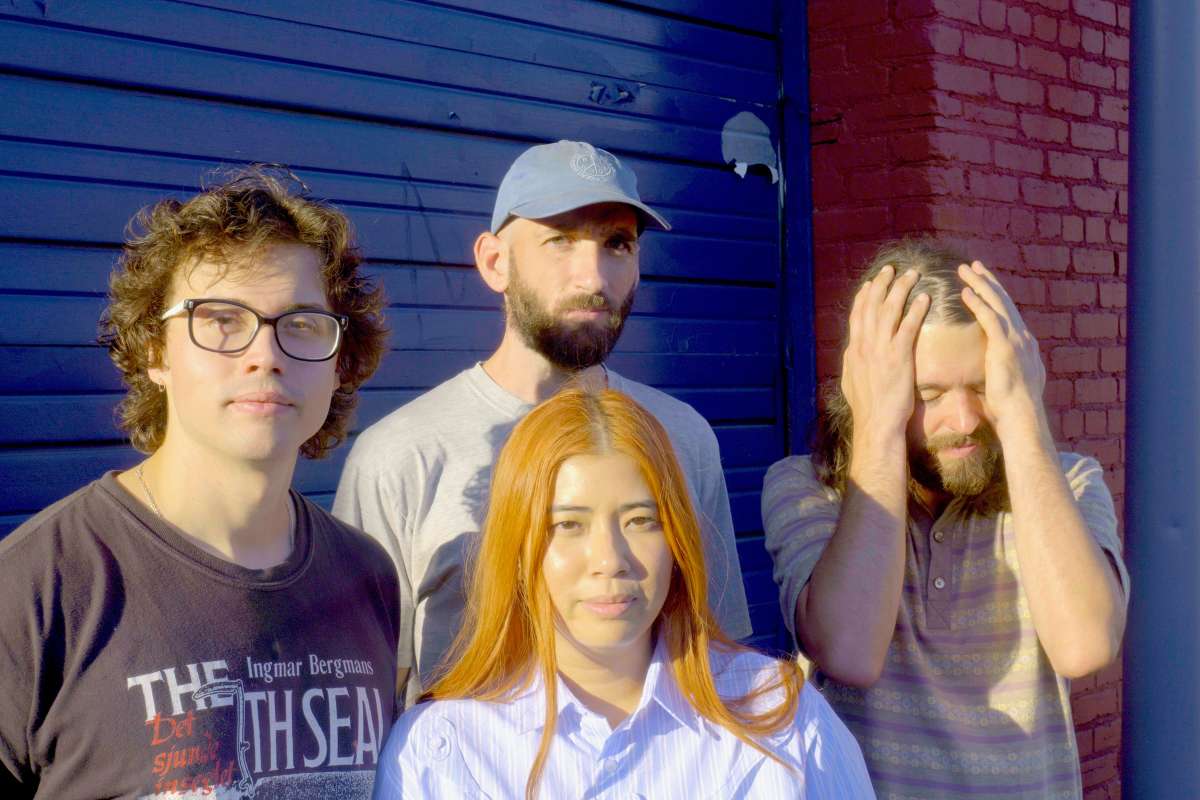
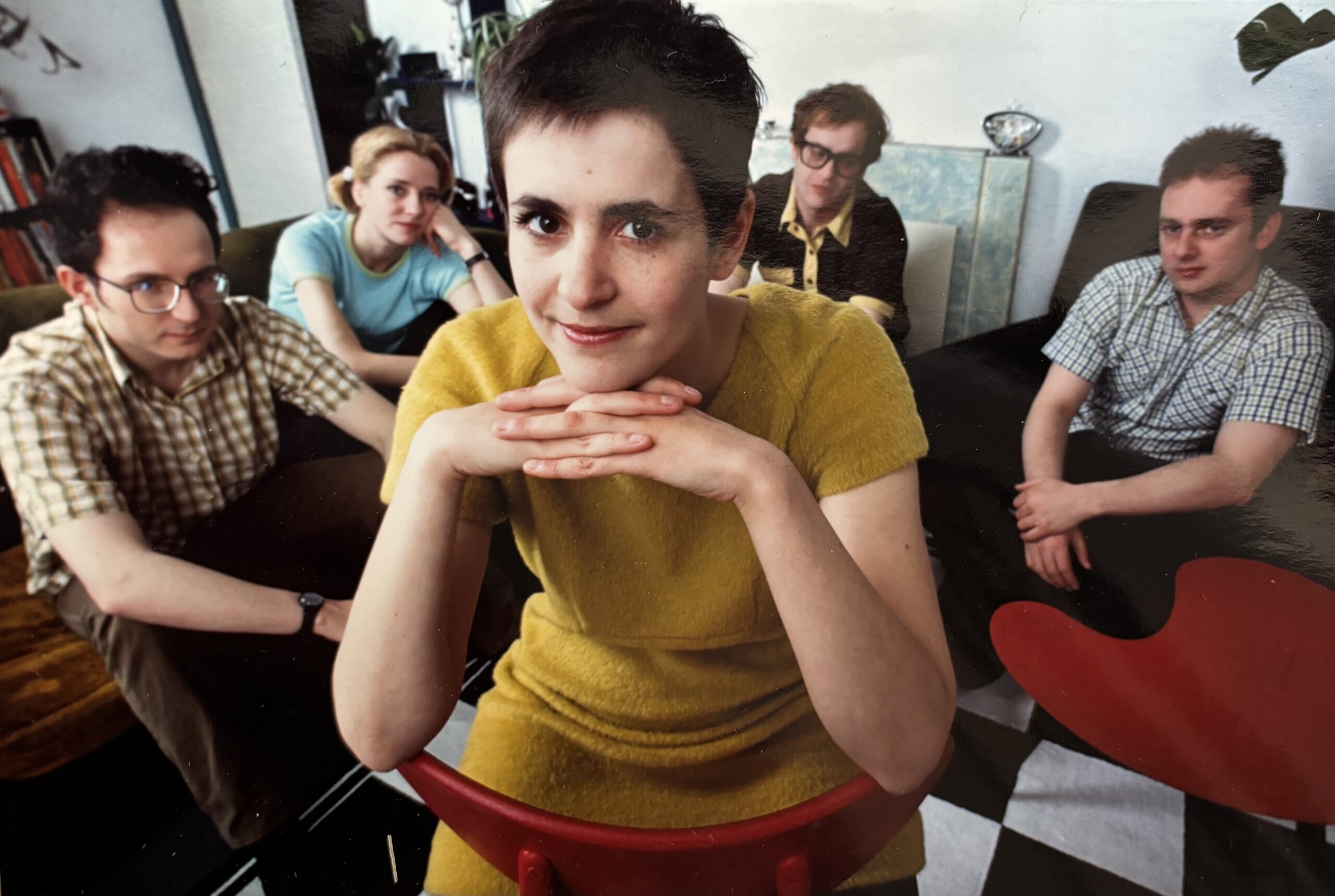
Every album is a product of the environment in which it was created, and nowhere is that more pertinent than on Cusp’s second album, What I Want Doesn’t Want Me Back. While the band’s excellent 2023 debut You Can Do It All was written in transition while they relocated from Rochester, NY to Chicago, What I Want Doesn’t Want Me Back comes much more from a place of stability–of roots beginning to form. “With that feeling of being settled comes the space to ask myself new questions about myself and choices I’ve made,” guitarist/vocalist Jen Bender says. As a result, the album feels like both a maturation and a reinvention, with every aspect of Cusp’s sound tweaked and pushed to find new boundaries, and to fill new spaces.
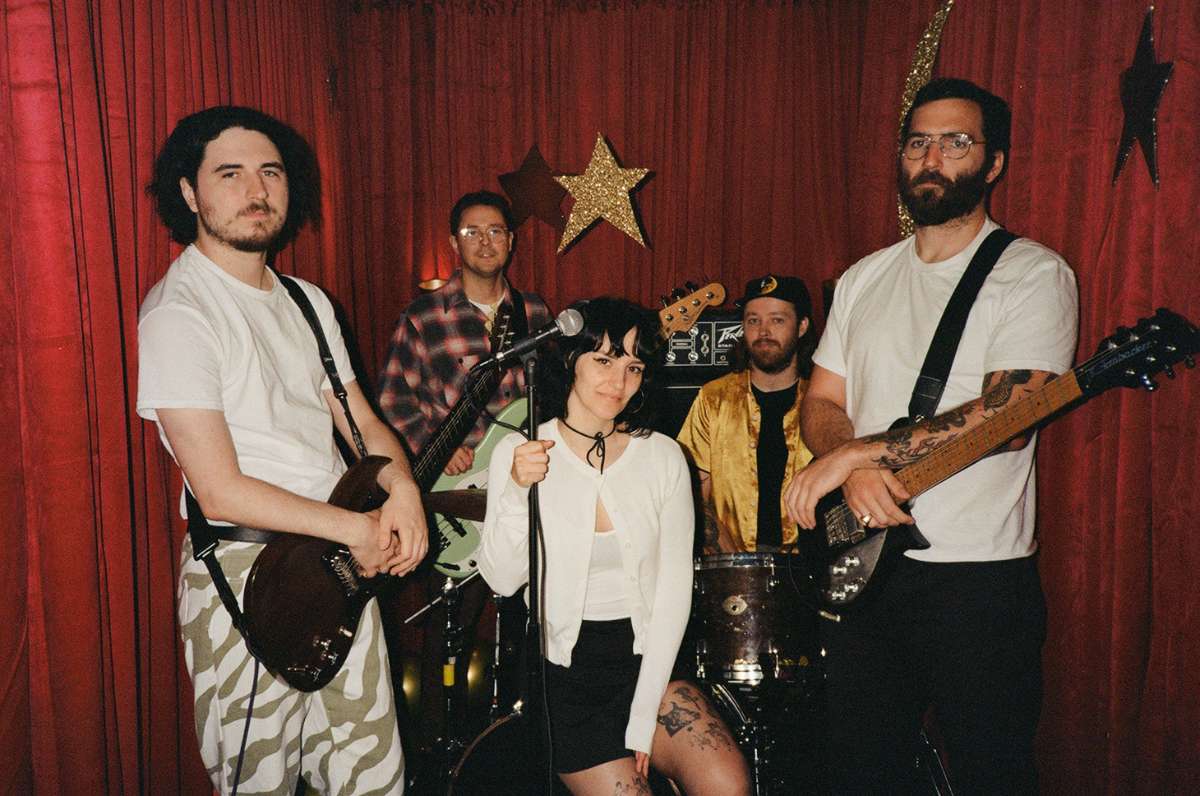
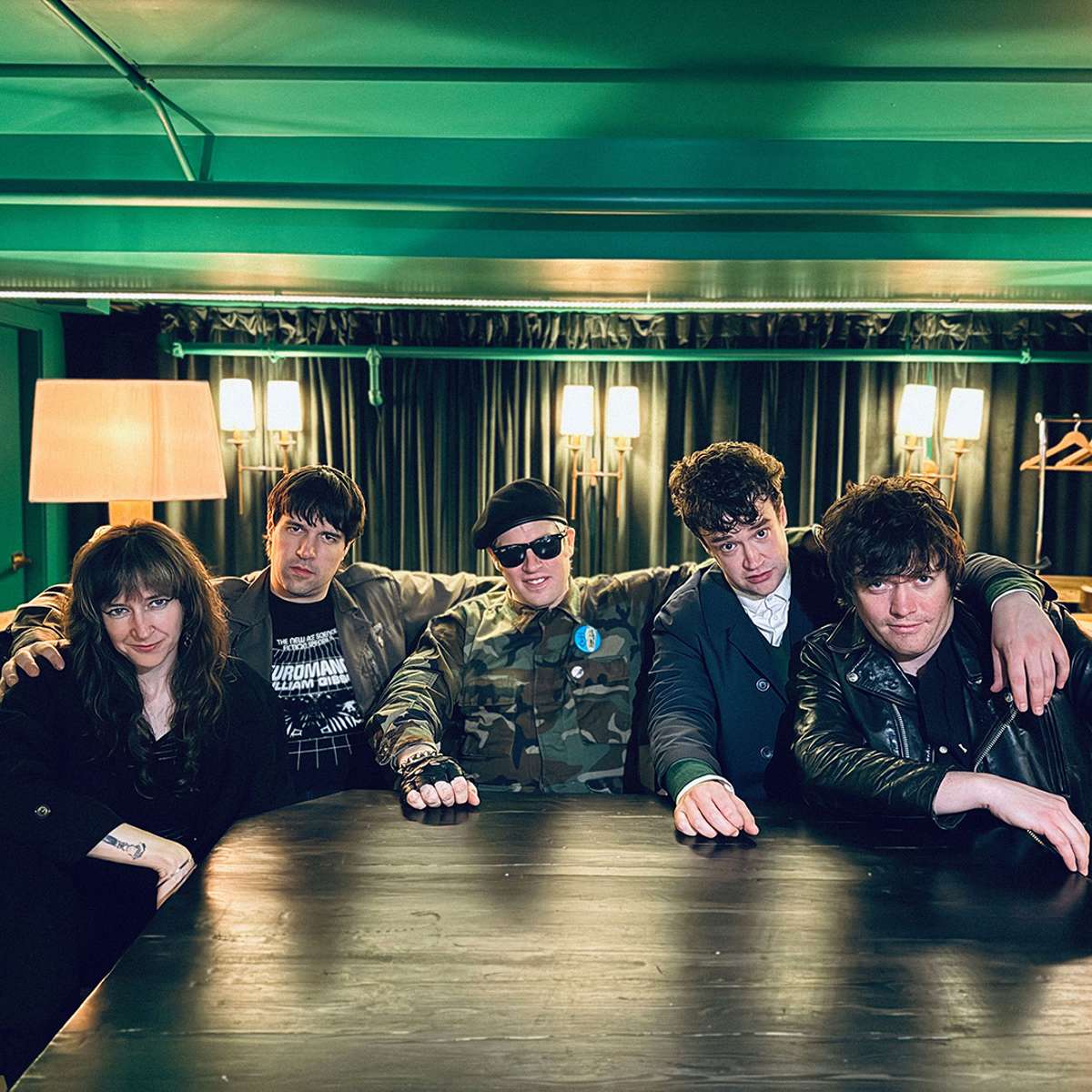
After moving to Chicago, Cusp became the fully-formed and settled five-piece of Bender, Gaelen Bates (guitar), Matt Manes (bass), Tommy Moore (drums, percussion, vocals) and Tessa O’Connell (synths, piano, vocals). This iteration of the band, finally able to all get in a room together, cemented the ideas and energy they’d been honing live on stage over the previous couple of years. The result of these subtle changes to their form comes to fruition on the thrilling What I Want Doesn’t Want Me Back. Recorded almost entirely live at Electrical Audio, a number of these 10 tracks peel back the layers on what it means to write songs, and the actual process of music making and being in a band: how and why we seek validation, and the shapeshifting nature of legitimacy. “These questions have come up a bit in some of our previous work, but I confronted them a bit more directly on this record,” Bender expands. “The ultimate consensus is: yes, this is worthwhile and yes, it means something.”
“Follow Along,” a spiky and simmering track, delves into these ideas as Bender explores aspects of her personality that have led to anxiety around her own work and its worthiness. “I have this fear where I am so worried that everyone else around me has these interesting and nuanced personalities and that I am sort of an observer just trying to keep up,” she explains. “Or even worse, that I’m soaking up the personality of everyone around me and passing it off as my own. The narrator of the song is an exaggerated version of me, going through life ‘taking notes’ on my friends and their lifestyles.” Almost sarcastic in its tone, the song covers new ground for Cusp as they turn somewhat heavy subject matter into music that leans into a bold sense of fun. “Oh Man” follows and stays on this same path with an even brighter, snappier mood. All glowing guitars and shifting temperaments, the song is another moment where Bender questions the viability and respectability of her craft.
Elsewhere, “In A Box” takes a more melodic approach, with its weighty sentiments held within a surprisingly affecting song before the whole mood flips to a brazen, skewed, and singularly thrilling finale. This more vulnerable side drifts in and out throughout What I Want Doesn’t Want Me Back, and Bender admits that she finds those songs harder to write and share. But they create a balance here, an unexpectedly emotional disposition that is at times hidden under vibrant bursts of guitar, and allows the overall character of the band to breathe and come to life. This choppiness is reminiscent of contemporaries like Built To Spill and Ovlov, and Bender cites both Sadie Dupuis and Adrianne Lenker as influences on her writing; the two reference points highlight the personal nature of the songwriting here that bubbles away under the surface.
“This was the first Cusp project where we recorded the songs live,” Bender reflects. “It was a totally new experience for the band, and I think it really captured a new energy that may not be as present on previous works. It creates this depth to the tracks that is really exciting.” Finding their feet in a new city, in a new home, among new members, Cusp embraced that collective spirit and newfound togetherness to take a leap into a new chapter. What I Want Doesn’t Want Me Back thrives within these circumstances, something that is at once as jubilant as it is dynamic.